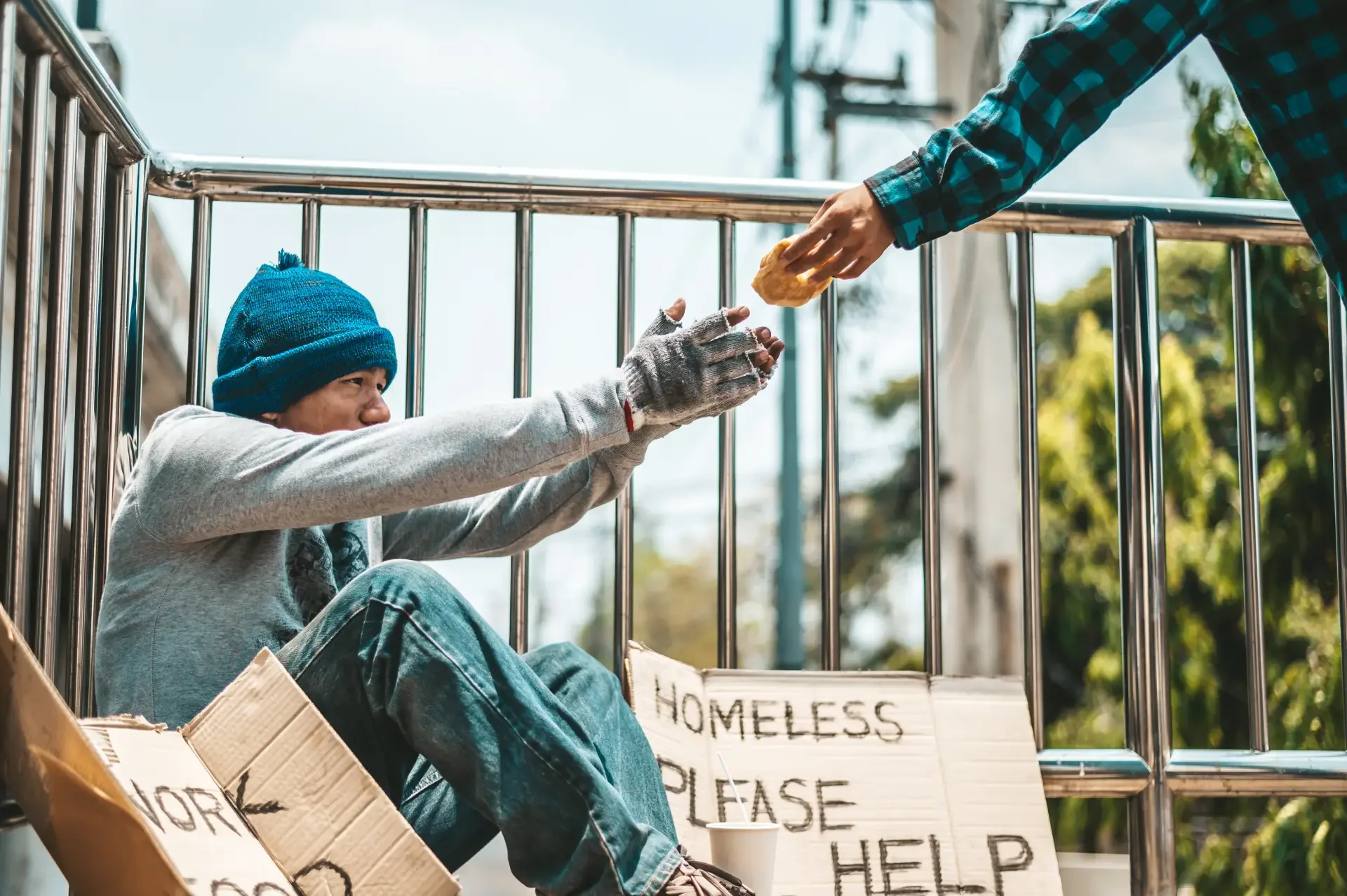
Reversing The Homelessness Crisis
The Challenge We Face
34%
Homelessness has surged 34% nationally since 2013
80%
Nearly 80% of the chronically homeless struggle with serious mental illness and/or addiction.
77%
Deaths among the homeless have risen 77%.
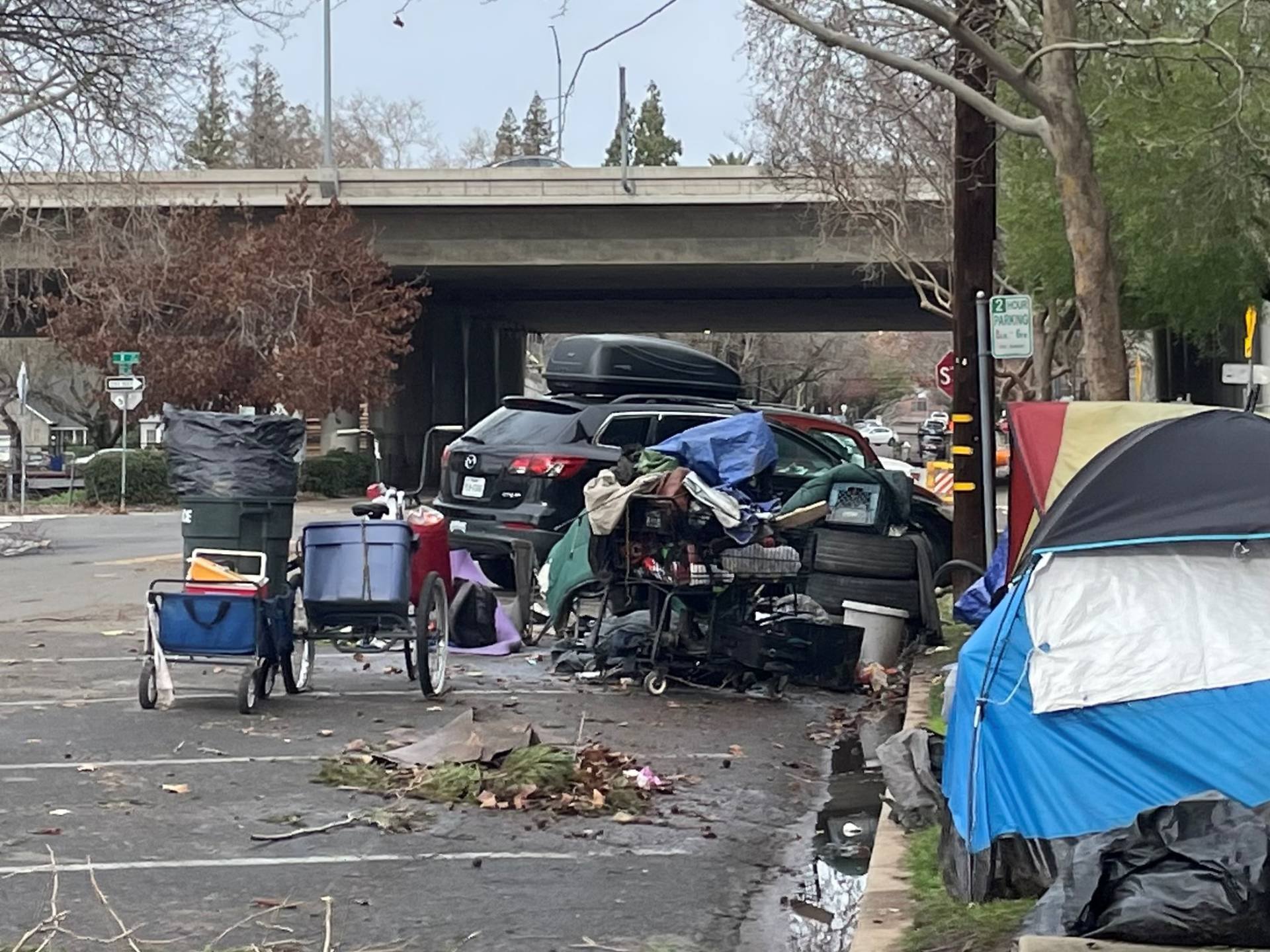
In 2013, the federal government—the largest funder of homelessness—imposed a one-size-fits-all Housing First mandate: permanent housing for life with no expectations of treatment, sobriety, or work. Local governments and non-profits were required to comply or lose funding.
But many individuals struggling with mental illness and addiction also live with anosognosia—a brain condition that impairs awareness of one’s own illness. Without treatment, their conditions worsen.
A 14-year study from Boston tracking chronically homeless individuals placed in “no-conditions” housing found that nearly half died within five years.
Without mental health care, sobriety, life-skills development, work opportunities, and community, recovery and self-reliance are rarely possible.


A Turning Point
In July 2025, a landmark Presidential Order ended Housing First’s exclusive control over federal homelessness policy. The new direction places mental health treatment, addiction recovery, public safety, and personal accountability at the center of the national strategy.
This shift recognizes the whole person—not just the absence of housing—and directs federal dollars toward programs that help individuals heal, grow, and ultimately thrive.
Free Up stands ready to help communities build these comprehensive, recovery-focused systems to restore lives, strengthening neighborhoods, and drive lasting, measurable change within five years.

Join the Mission for Recovery & Self-Reliance
Free Up’s model, when fully implemented, is built to reverse a region’s homelessness crisis within five years— efficiently and cost-effectively. As homelessness declines, excess infrastructure is dismantled, freeing resources for other regional priorities.