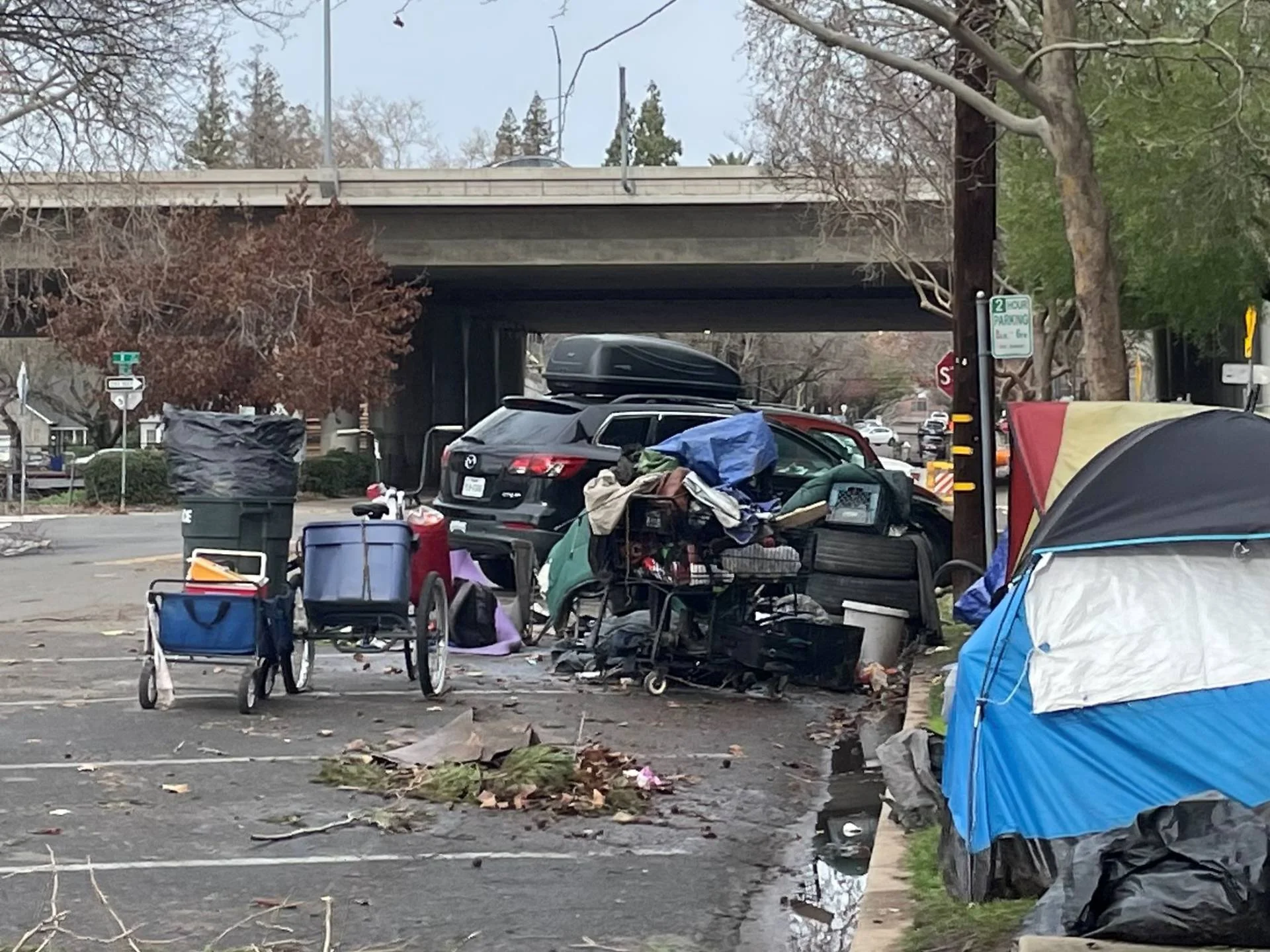
The Human First Framework
Our Mission
Free Up Foundation delivers rapidly scalable transitional housing communities that create clear, accountable pathways to rehabilitation, recovery, and long-term self-reliance for those struggling with homelessness.
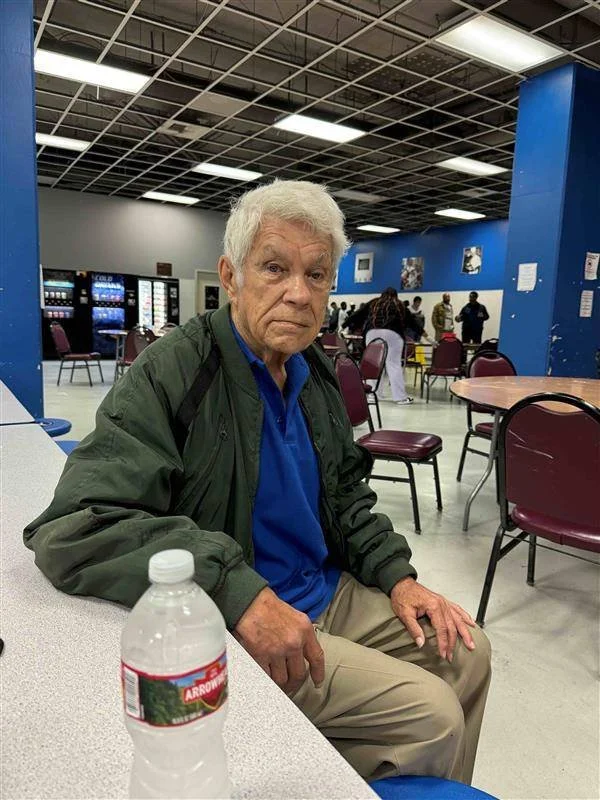
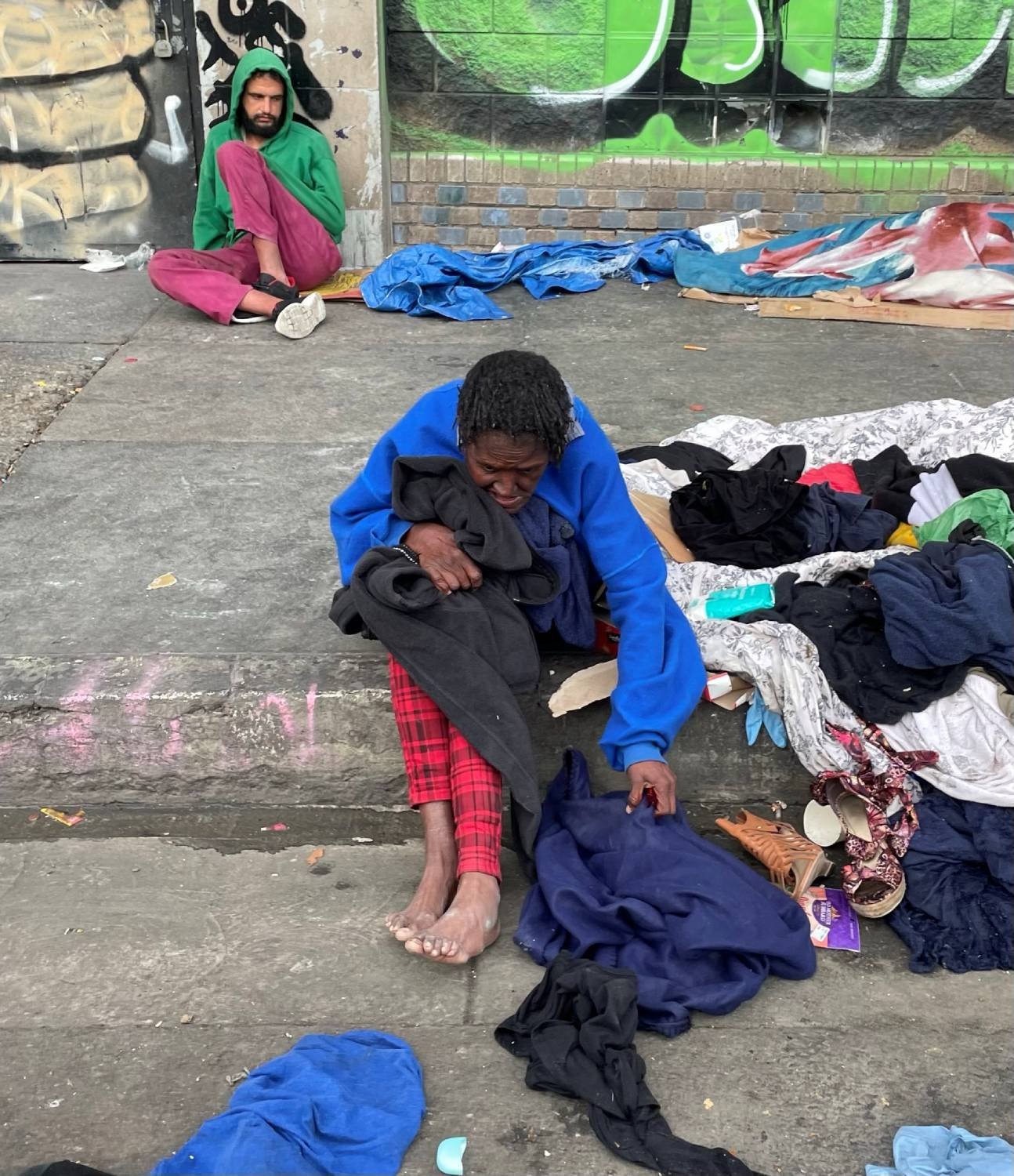
A Proven, Scalable Solution
We have engineered a cost-optimized, outcomes-driven Human First approach that can significantly reduce a region’s homeless population within five years. As homelessness declines, unneeded infrastructure is responsibly dismantled— freeing local resources for other priorities.
Our Proven ‘Human First’ Framework
Free Up’s Human First approach rebuilds lives by surrounding each individual with comprehensive, coordinated services delivered through two tiers of transitional housing communities. These communities supply the pillars of true recovery and renewal:
Structure and Sobriety to stabilize mind and body
Purpose and Work to restore dignity and momentum
Accountability—both personal and systemwide—to ensure real, measurable progress
Scalable Housing that provides clear, achievable pathways to recovery and enduring self-reliance

Why Free Up Works
Front-Line Expertise
We don’t theorize from the sidelines. Our leadership team brings more than a century of combined experience walking alongside the homeless in some of the nation’s most effective, recovery-focused programs. Every component is grounded in real-world results.
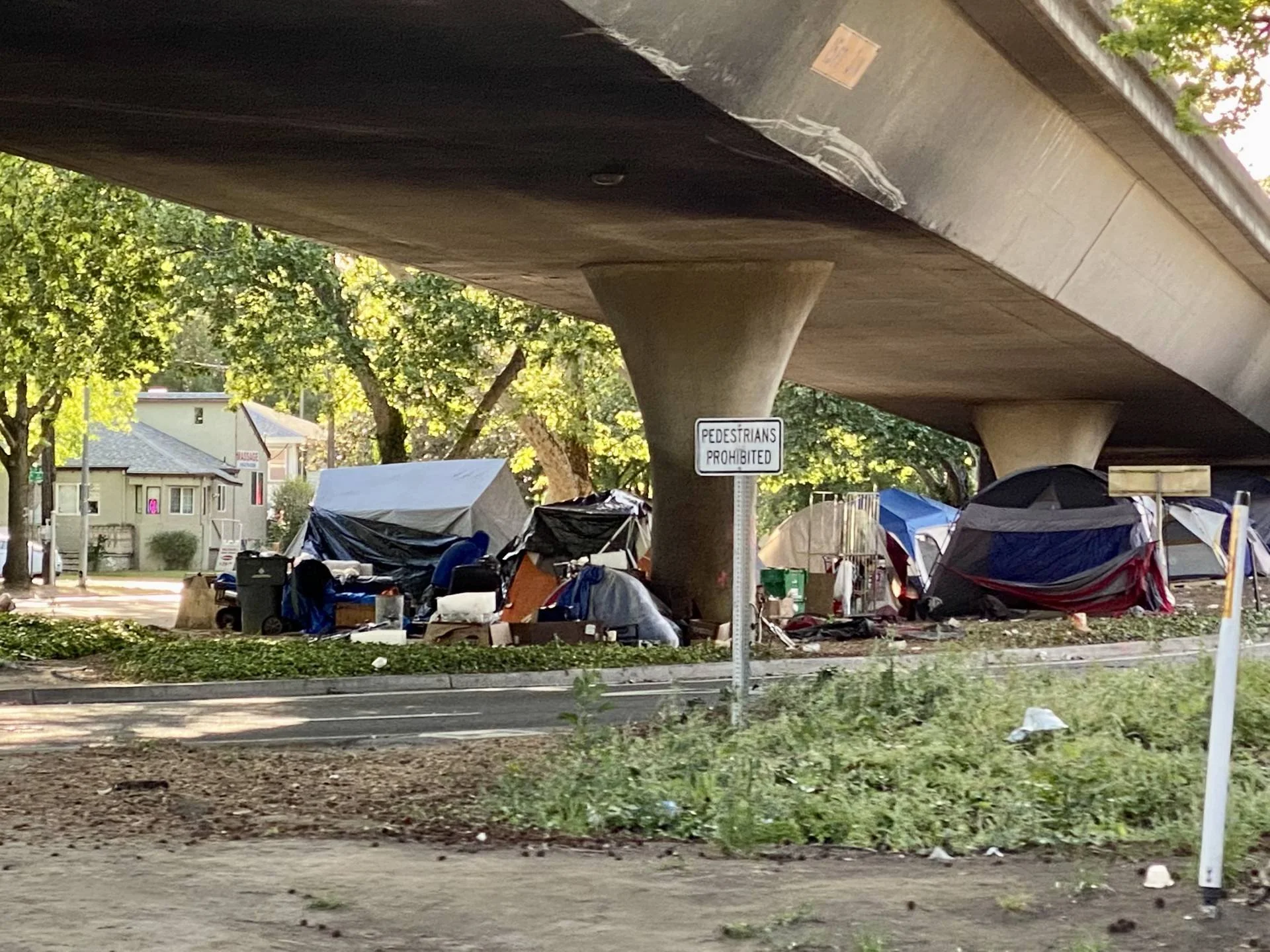
Turnaround-Proven Capacity Modeling
Our proprietary tools accurately forecast the restorative capacity needed to reverse a region’s homelessness in five years— preventing waste, avoiding overbuilding, and ensuring sustainable, measurable outcomes.
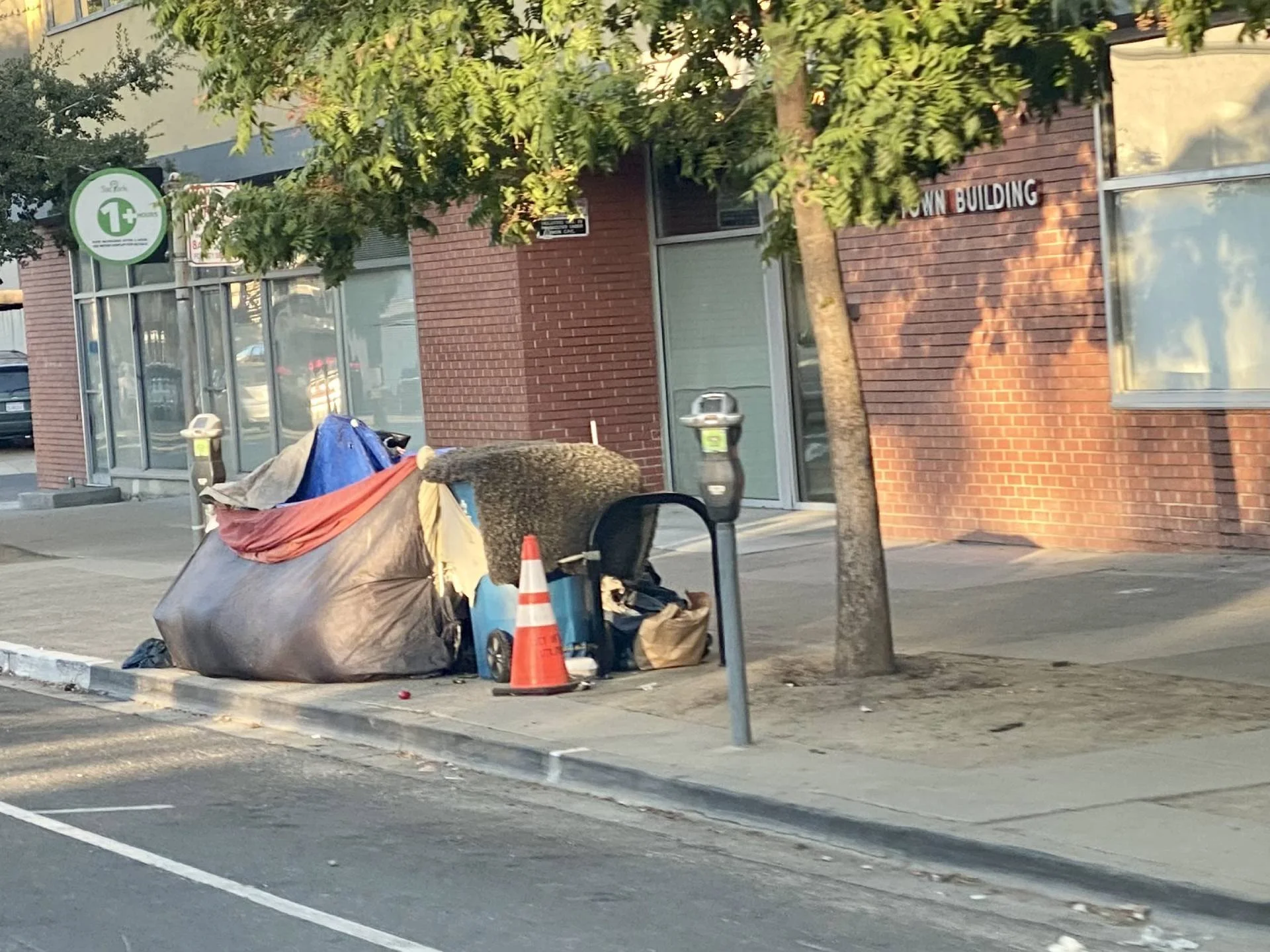
Partnership with the Existing System
We complement—rather than compete with—the current provider network.
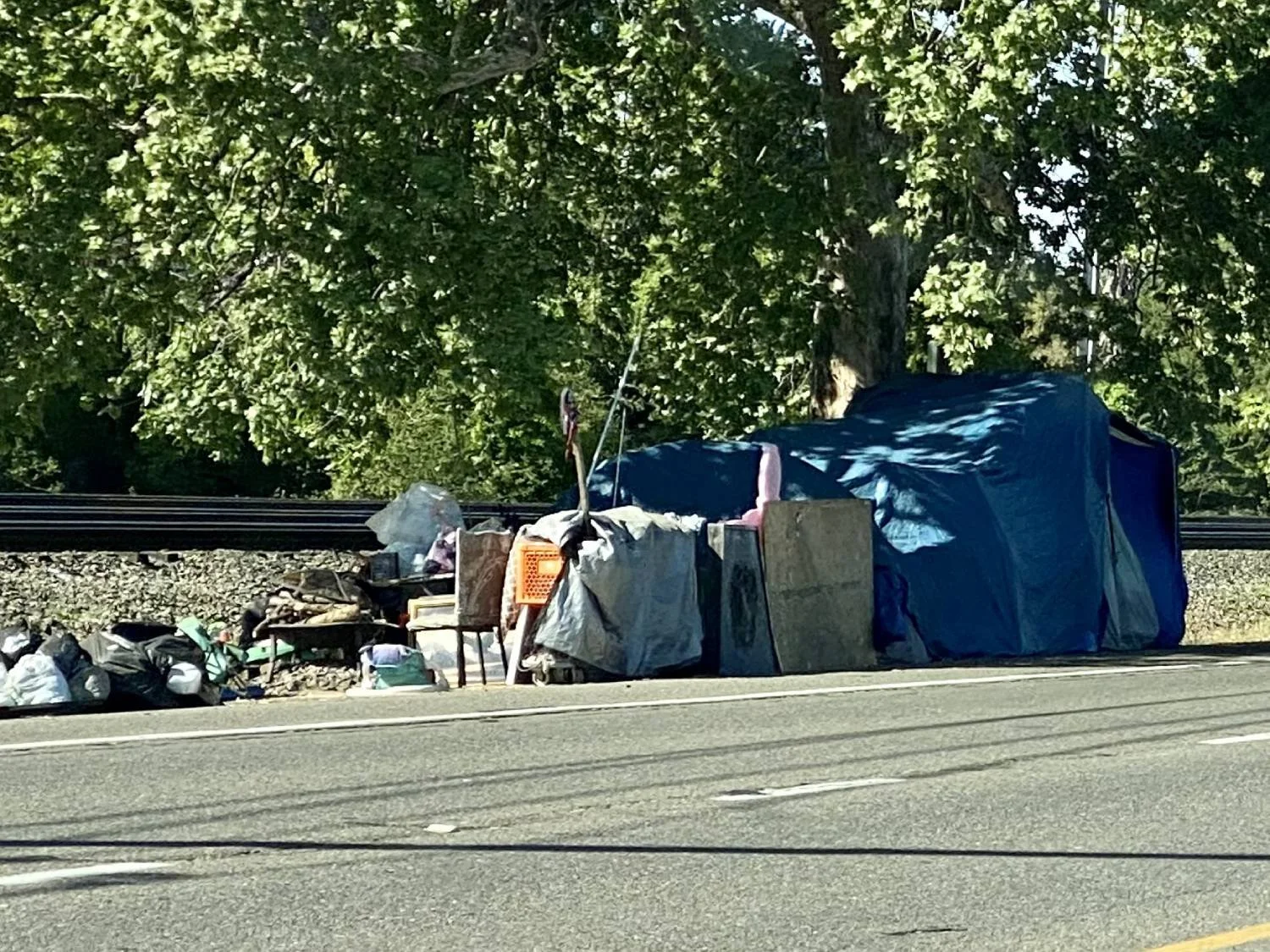
End-to-End System Management
From design through execution, we manage the full turnaround process so local leaders can focus on other priorities. Once homelessness is reversed, we transition operations to local control.
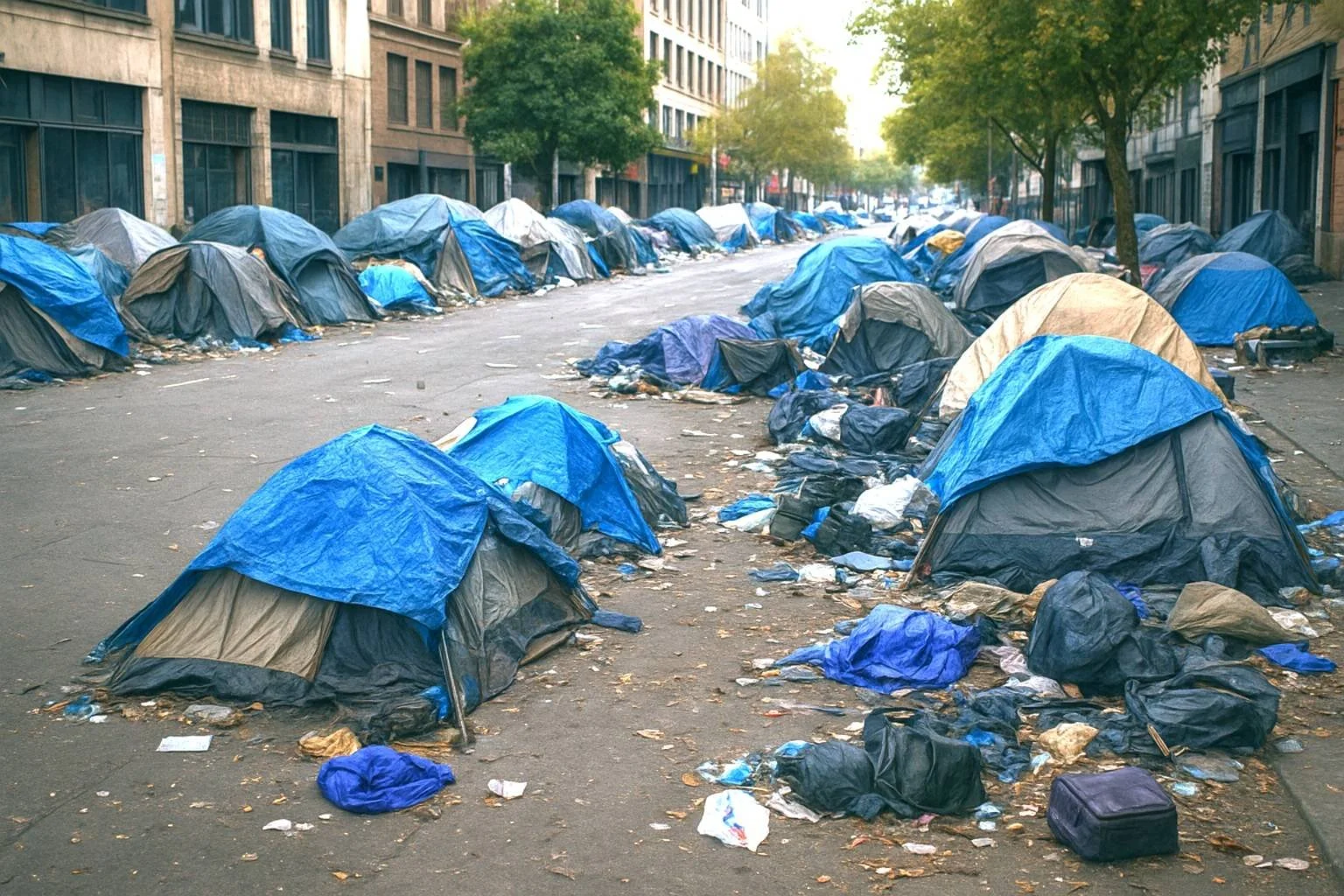
Results Over Rhetoric
We restore lives, rebuild communities, and renew public trust through scalable, pragmatic, compassionate solutions that work.
Join the Mission for Recovery & Self-Reliance
Free Up’s model, when fully implemented, is built to reverse a region’s homelessness crisis within five years— efficiently and cost-effectively. As homelessness declines, excess infrastructure is dismantled, freeing resources for other regional priorities.